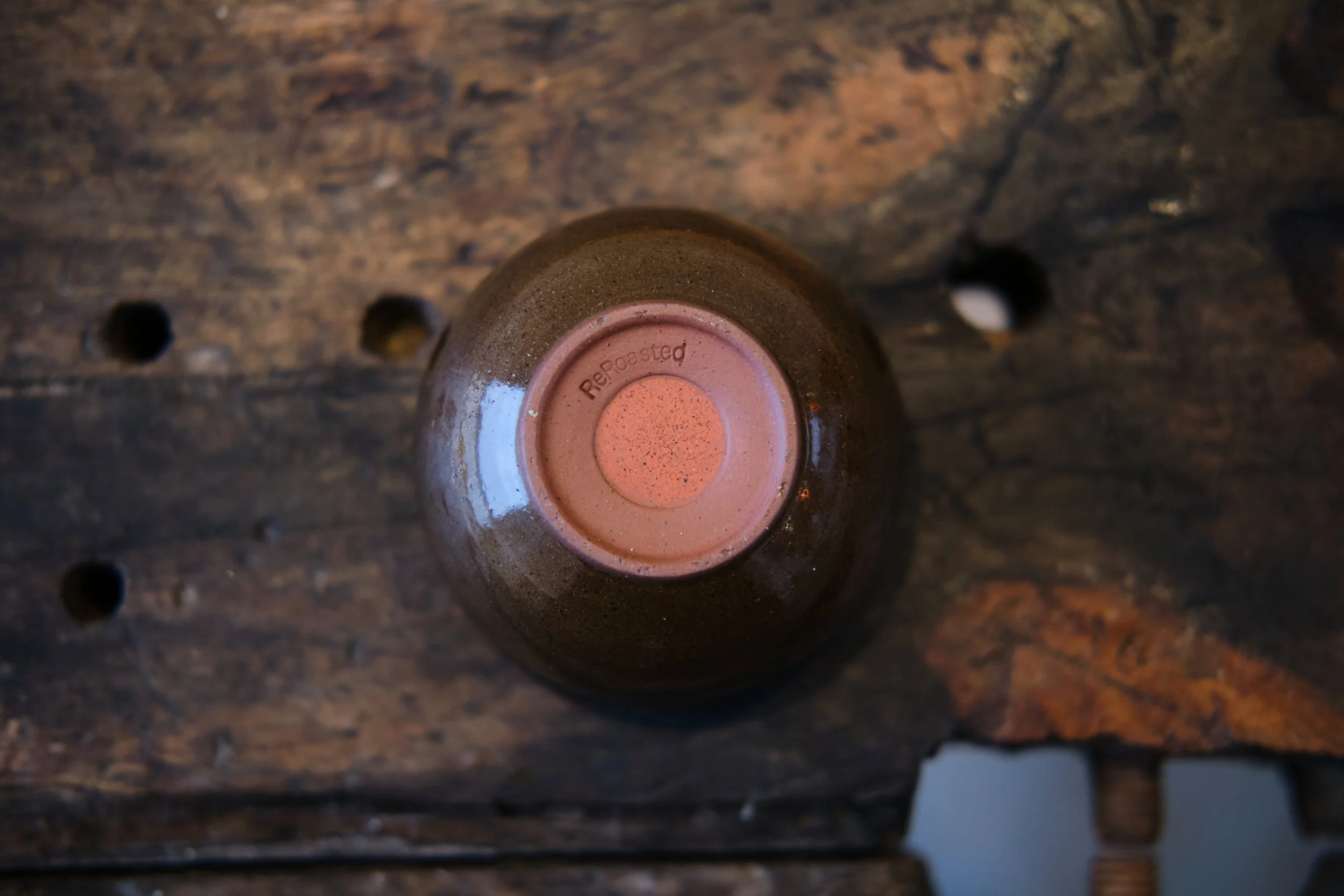
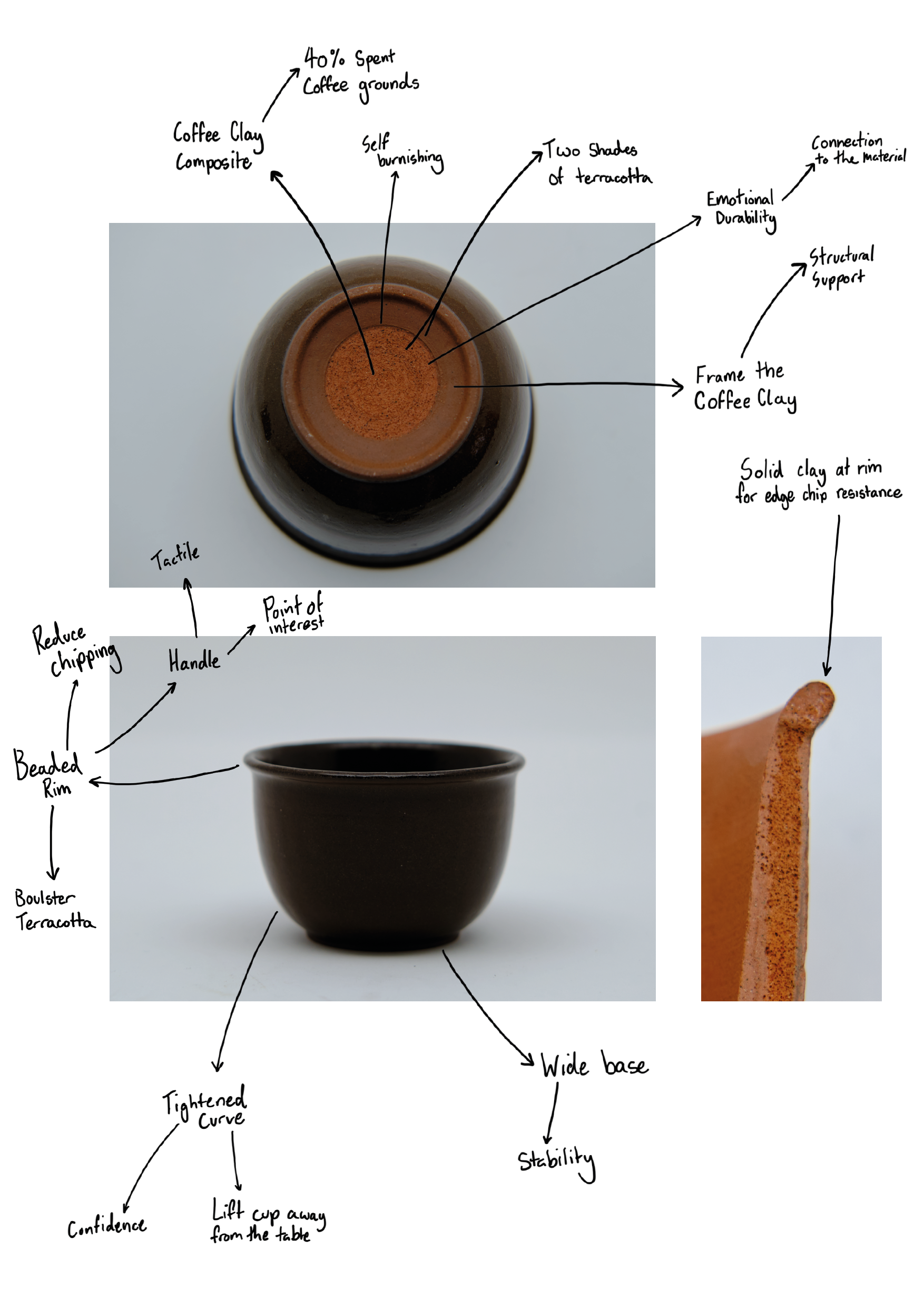
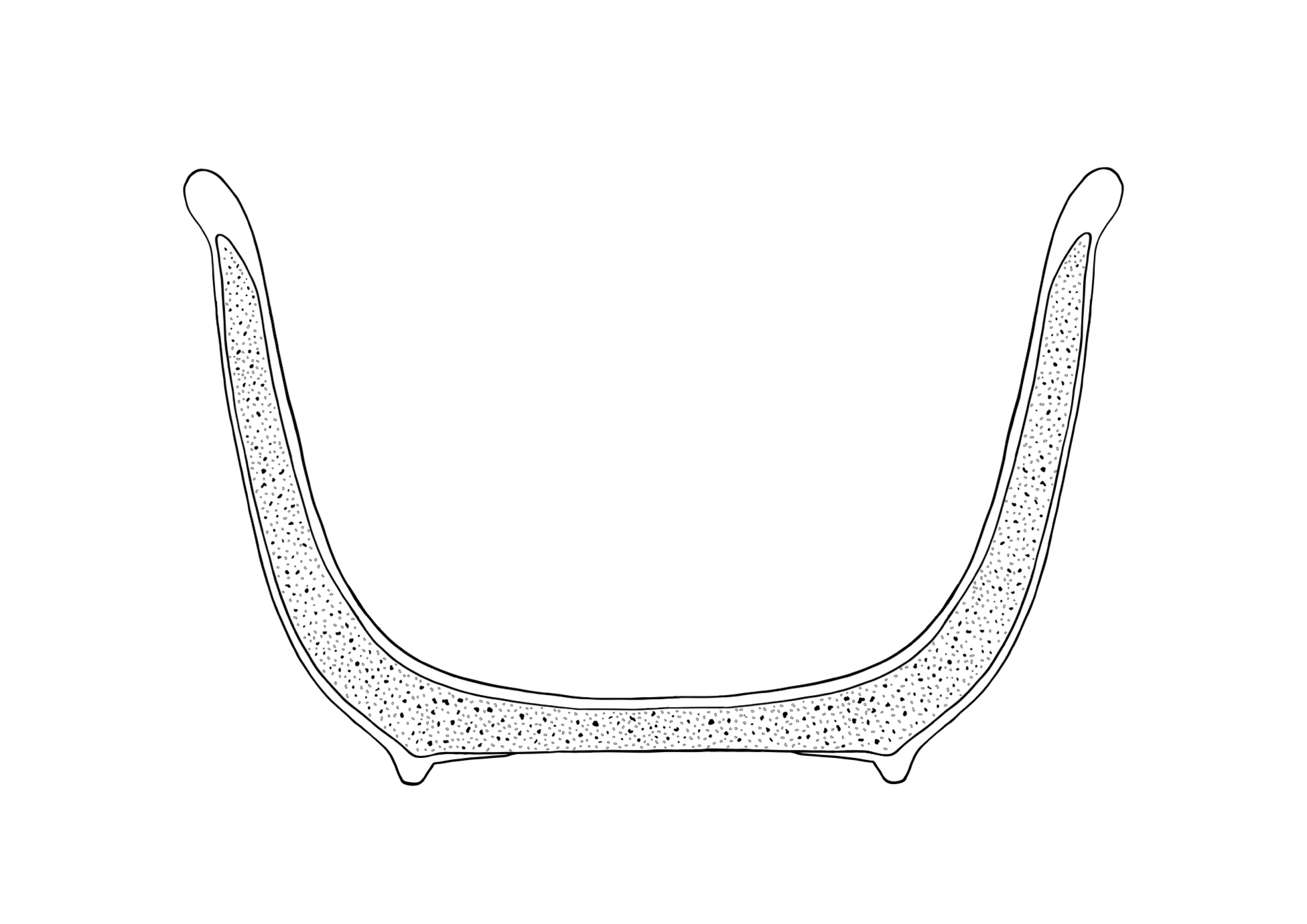
ReRoasted is a research through design project, developing new ways of working with spent coffee grounds in ceramics. ReRoasted coffee cups are laminated, essentially sandwiching a layer of a Coffee Clay composite, between two layers of standard clay. Each cup contains approximately forty five grams of spent coffee grounds. They are lightweight, use less extractive material and have insulative properties.
The project started whilst I was studying a BA in Ceramic Design at Central Saint Martins. Exploring the use of spent coffee grounds in clay bodies, whilst working part time for Origin Coffee Roasters at the British Library, ReRoasted combined my passion for speciality coffee and deep seated interest in ceramic design. In my final year, the project progressed and the relationship with Origin evolved. Origin, The British library, and Kings Cross became a case study for the project. Focusing on what a small scale, local, approach to the incomprehensible issue that is coffee ground waste might look like.
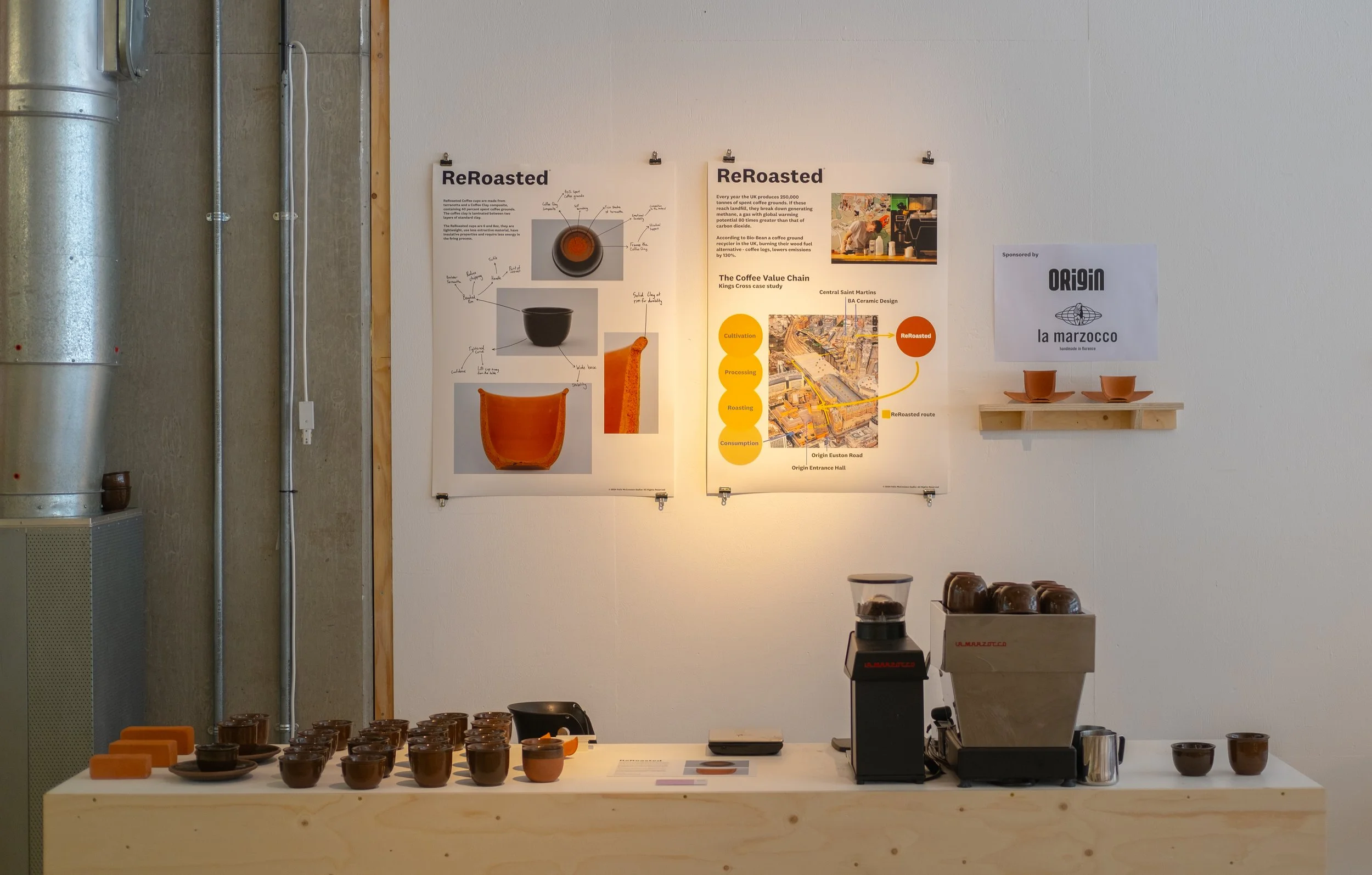
The ReRoasted Coffee Bar - Central Saint Martins Degree Show 2024
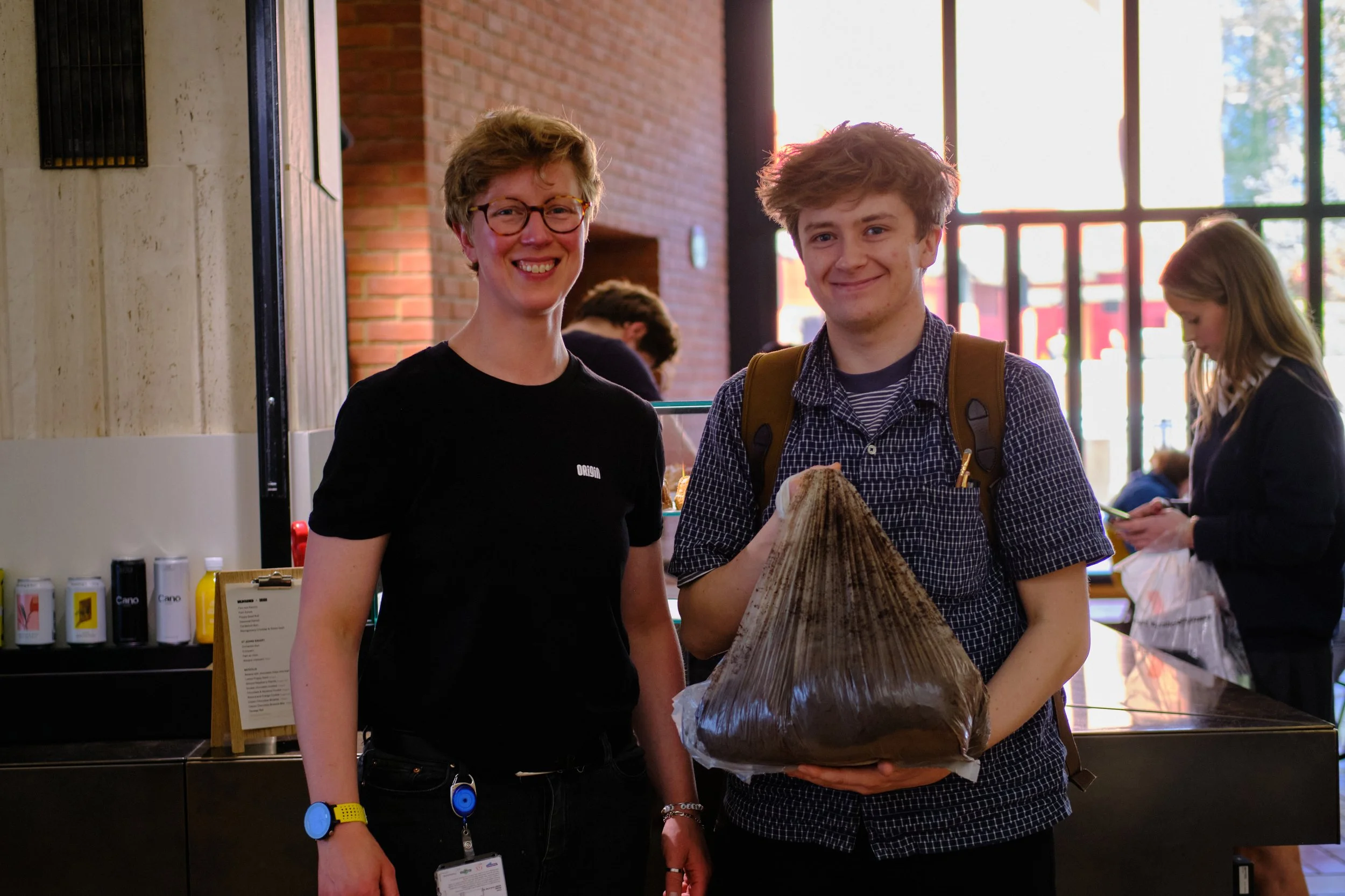
Collecting spent coffee grounds from Origin at the British Library
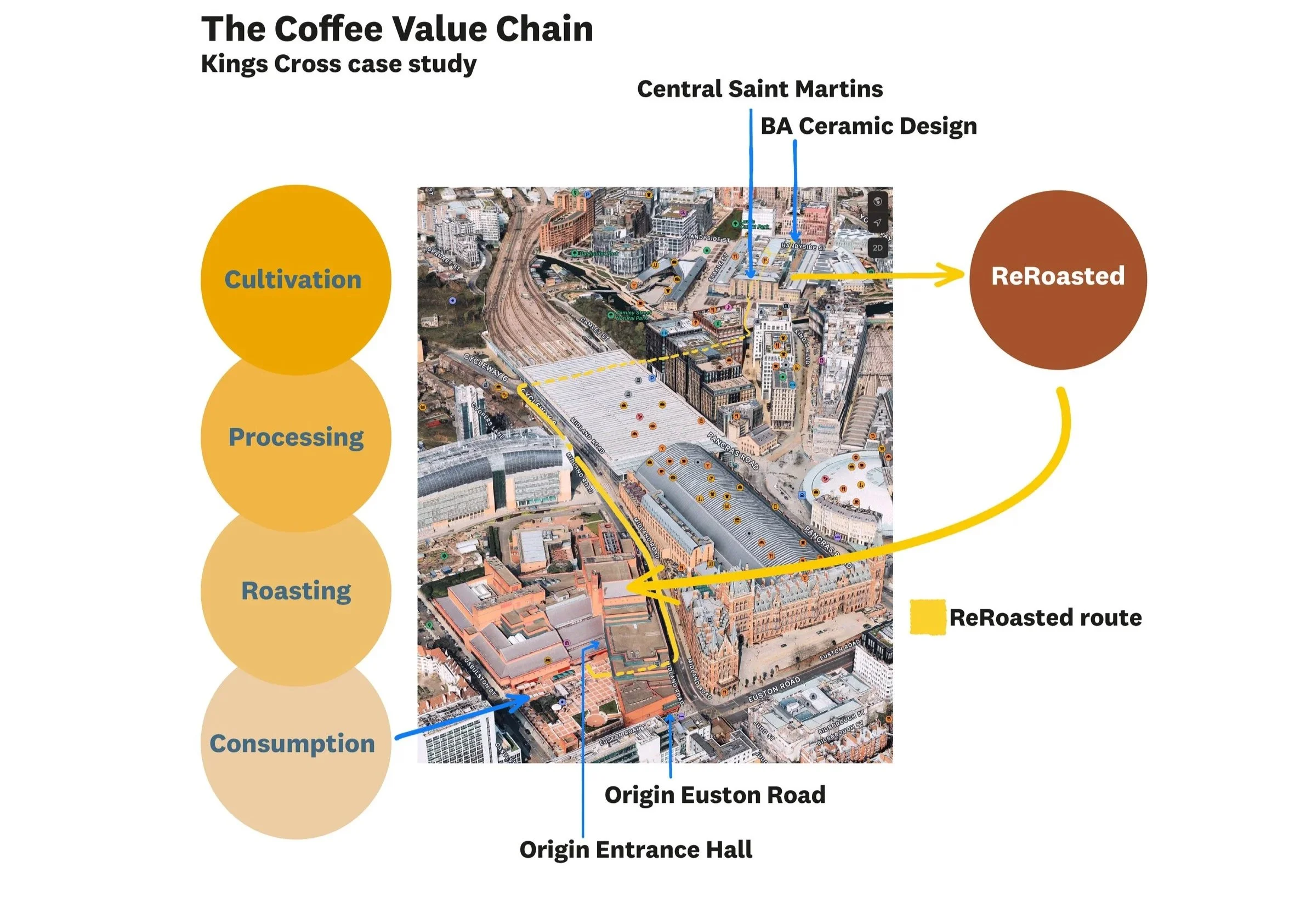
Every year the UK produces two hundred and fifty thousand tonnes of spent coffee grounds, The British Library alone produces a tonne a month. If these reach landfill, they break down generating methane, a gas with global warming potential eighty times greater than that of carbon dioxide during the twenty years after it is released into the atmosphere. Spent coffee grounds have signifcantly lower CO2 emissions when incinerated compared to when they are landfilled. By including spent coffee grounds in ReRoasted cups, they are treated as a valued material which contributes to the functionality of the end product.
ReRoasted coffee cups are constructed in three layers - two wafer thin outer layers made with standard clay, one internal layer of coffee clay. The layer of coffee clay has insulative properties caused by the many smalls voids formed by the coffee grounds burning out during the firing process. After firing, the coffee clay body is very light but also quite brittle and porous, by encasing it in regular clay we can leverage the benefits without affecting the durability or functionality.
Spent coffee grounds are abundant and widely available. One of the driving principles of the design ethos of ReRoasted is to create a sense of place and identity through the use of material tying the product to a location and to make design choices which are sensitive to that material and aim to provide durability and longevity for the product.
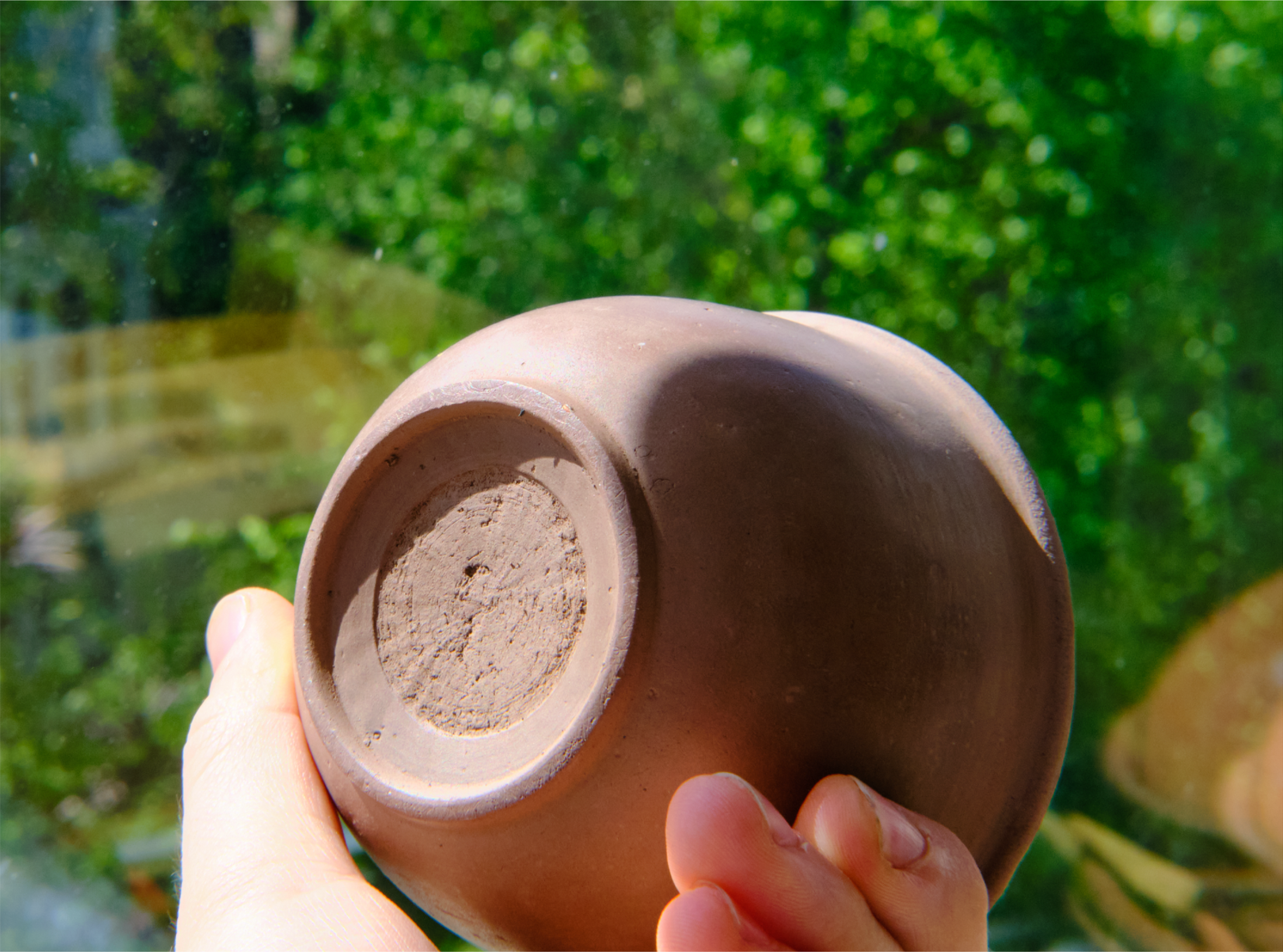
The collection we developed for Origin’s Euston Road cafe in The British Library, used spent coffee grounds provided by Origin’s roastery in Cornwall and terracotta clay from Stoke on Trent. The British Library is a vast building constructed using ten million terracotta bricks. One of the aims of using terracotta was to create a visual connection for the end user in the library building, encouraging a deeper curiosity about the material world and the built environment. Where the colour of the cups is immediately obvious, the use of spent coffee grounds is not. This was intentional, we wanted the cups to be subtle, functional and usable everyday. The only way you would know they are different is by looking at the base, which is imprinted with the ReRoasted logo and a small section of exposed coffee clay.
If you visit Origin’s wonderful Euston Road cafe in Kings Cross, you can enjoy some world class specialty coffee served by talented baristas in these ReRoasted cups.